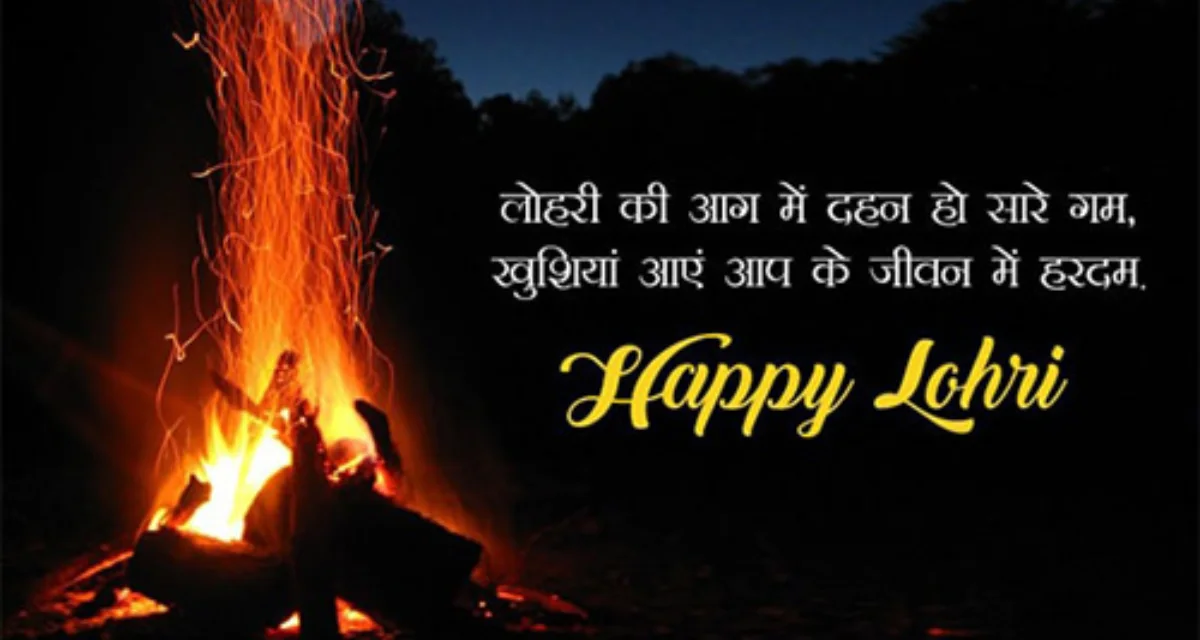
Lohri is a major winter festival celebrated with enthusiasm across North India. Observed every year on January 13, the festival marks the end of the cold season and the beginning of longer days. Lohri is closely linked to agricultural traditions and is considered a symbol of warmth, prosperity, and new beginnings.
How Lohri Is Celebrated
The celebration of Lohri usually takes place in the evening, when people gather around a bonfire. Traditional offerings such as popcorn, peanuts, jaggery, and sweets are placed into the fire as a gesture of gratitude and hope for a successful year ahead. The bonfire represents positivity, warmth, and the removal of negativity.
Singing folk songs and dancing around the fire are important parts of the celebration. Families, friends, and neighbors come together to enjoy the festive atmosphere, making Lohri a true celebration of togetherness and cultural pride.
Exchanging Lohri Wishes and Messages
Sharing wishes and greetings is an essential tradition of Lohri. People send warm messages to friends and family members to express happiness, love, and good wishes. These greetings help spread joy and positivity, especially among loved ones living far away.
In the digital age, Lohri wishes are commonly shared through social media and messaging platforms. Short messages, meaningful words, and festive greetings allow people to stay connected and celebrate the festival together, even from a distance.
Cultural Significance of Lohri
Lohri is more than just a seasonal festival. It reflects gratitude toward nature, respect for traditions, and the importance of sharing happiness. The festival encourages people to let go of past worries and welcome the future with hope and optimism.
Lohri brings warmth not only through the bonfire but also through emotions, making it a special occasion to celebrate culture, unity, and positivity.
